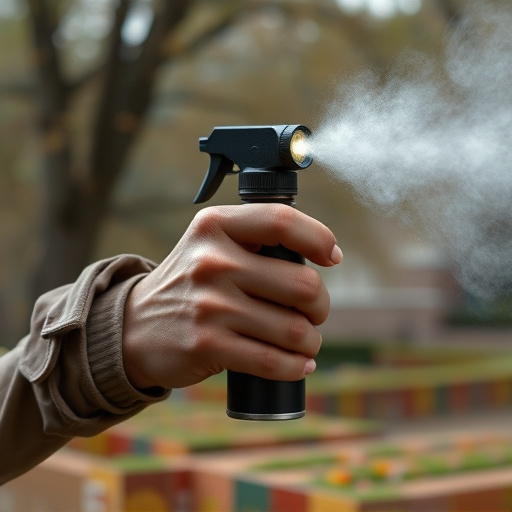
Pepper spray is a powerful self-defense tool, but its effective and safe usage requires understanding its mechanism, proper deployment, and immediate care after exposure. In case of accidental discharge, thorough eye rinsing with water for 15 minutes or more is essential, followed by medical attention if symptoms persist. Immediate post-deployment care involves moving to a safe area, removing contaminated clothing, staying calm, and gently cleaning affected areas. Legal regulations vary, emphasizing responsible ownership through knowledge of local laws, secure storage, training, and adherence to immediate care protocols for safety and legal compliance.
“Uncover the power and safety features of pepper spray as a self-defense weapon. This comprehensive guide explores its effectiveness in deterring attacks, while emphasizing responsible ownership. From understanding the mechanics behind its sting to mastering deployment techniques, we equip readers with vital knowledge. Learn about legal boundaries and essential immediate care after use, ensuring both personal safety and compliance. Discover how to prepare, respond, and recover effectively from pepper spray encounters.”
- Understanding Pepper Spray: Its Effectiveness and Safety Features
- Preparation: What to Do Before Using Pepper Spray for Self-Defense
- Immediate Care After Pepper Spray Deployment: Ensuring Safety and Comfort
- Legal Considerations and Responsible Ownership of Pepper Spray
Understanding Pepper Spray: Its Effectiveness and Safety Features
Pepper spray, a non-lethal self-defense weapon, has gained popularity as a personal safety tool due to its quick-acting and effective properties. It works by causing a temporary yet intense irritation to the eyes, respiratory system, and skin, enabling users to create distance from potential threats. Understanding its mechanism is crucial for responsible usage and immediate care.
The safety features of pepper spray include its non-lethal nature, making it a legal option in many regions. It provides a window of opportunity for escape or deterrence without causing permanent harm. In the event of accidental discharge or misuse, proper immediate care is essential. This involves rinsing eyes thoroughly with water for at least 15 minutes and seeking medical attention if respiratory distress or skin irritation persists.
Preparation: What to Do Before Using Pepper Spray for Self-Defense
Before employing pepper spray as a self-defense mechanism, preparation is key. Start by familiarizing yourself with the device; understand its range, usage, and any safety features it possesses. Practice deploying the spray in low-stress scenarios to ensure you can do so quickly and accurately when needed. Keep your pepper spray readily accessible, but remember that proper use requires a calm mind.
Should you or someone else be exposed to pepper spray, immediate care is vital. Inhale deeply through your nose, then cough repeatedly to expel any irritants from the lungs. Rinse eyes thoroughly with clean water for at least 15 minutes. Remove any contaminated clothing and seek fresh air. If symptoms persist or severe reactions occur, immediately contact emergency services.
Immediate Care After Pepper Spray Deployment: Ensuring Safety and Comfort
After pepper spray is deployed, immediate care is crucial for both safety and comfort. The first step is to ensure that everyone involved is in a safe location away from potential harm. Pepper spray can affect vision and breathing, so it’s essential to move to an open area where you can see clearly and breathe easily. Remove any clothing or items that may have come into contact with the spray, as it can continue to cause irritation. Have water readily available; drinking water helps dilute the pepper spray residue in the eyes and nasal passages, alleviating discomfort.
It’s important to stay calm and not panic. Pepper spray is designed to incapacitate temporarily, not harm permanently. Seek medical attention if necessary, especially for those with pre-existing respiratory conditions or sensitive skin. Gentle cleaning of affected areas with mild soap and water can help remove any remaining pepper spray. This immediate care routine ensures that individuals can recover quickly and safely from pepper spray exposure.
Legal Considerations and Responsible Ownership of Pepper Spray
The legal status of pepper spray varies across jurisdictions, so responsible owners must familiarize themselves with local regulations. Understanding these laws is crucial to ensuring compliance and minimizing potential legal repercussions. In many places, carrying pepper spray for self-defense purposes is legal, but there are often restrictions on who can own it and where it can be used. Some regions require permits or registration, while others have age limitations, prohibiting its use by minors without supervision.
Safe handling and immediate care after using pepper spray are essential. Owners should store their spray in a secure location, out of reach of children and unauthorized individuals. It’s recommended to undergo training on its proper usage, including understanding the range and effectiveness. After deployment, immediate care involves ensuring the victim’s safety, providing water or eye irrigation for affected areas, and seeking medical attention if necessary, especially for prolonged symptoms. Responsible ownership includes being aware of these legal considerations and ready to demonstrate safe handling practices upon request.
Pepper spray, when used responsibly and in accordance with legal guidelines, can be a valuable tool for self-defense. Understanding its effectiveness and safety features is crucial. By preparing in advance, knowing immediate care procedures after deployment, and being mindful of legal considerations, individuals can ensure they are well-equipped to handle potential threats while prioritizing their safety and comfort. Remember, proper training and a deep understanding of local laws are essential when considering pepper spray as a self-defense mechanism.