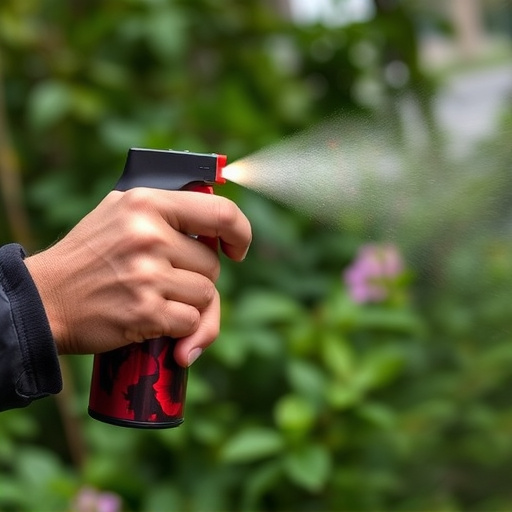
Immediate Care for Pepper Spray: A Comprehensive Overview
Introduction
Welcome to an in-depth exploration of a critical yet often overlooked aspect of modern safety protocols: Immediate Care for Pepper Spray. This article aims to equip readers with a thorough understanding of the procedures, significance, and global impact of effective pepper spray management. By delving into its various facets, we will uncover how immediate care strategies play a pivotal role in public safety, law enforcement, and emergency response worldwide.
Understanding Immediate Care for Pepper Spray
Definition and Core Components
Immediate Care for Pepper Spray refers to the rapid and specialized medical assistance provided following exposure to pepper spray (also known as oleoresin capsicum, or OC spray). This non-lethal but highly irritant chemical agent is commonly employed by law enforcement agencies for crowd control and self-defense. Immediate care focuses on mitigating the severe symptoms associated with OC spray exposure, ensuring the well-being of individuals affected and enabling their rapid recovery.
The core components of immediate care encompass:
- Irritant Management: Neutralizing or reducing the irritant effect of the pepper spray to alleviate pain and respiratory distress.
- Washing and Decontamination: Thoroughly washing the eyes, skin, and clothing to remove residual OC spray and prevent further irritation or absorption.
- Respiratory Support: Assisting individuals in breathing freely by providing oxygen, using nebulizers, or implementing other respiratory support measures.
- Pain Management: Administering appropriate analgesics to alleviate intense pain caused by the spray's capsaicin component.
- Monitoring and Observation: Closely observing patients for potential complications and providing necessary follow-up care.
Historical Context and Significance
The use of pepper spray as a less-lethal force option has a rich history dating back to the 1970s when law enforcement agencies began experimenting with various chemical agents for crowd control. Over time, oleoresin capsicum emerged as a preferred choice due to its high potency and selective effects on the human body. However, this popularity also underscored the need for specialized care, leading to the development of immediate care protocols specifically tailored to OC spray exposure.
The significance of immediate care lies in several critical factors:
- Public Safety: Effective management of pepper spray exposure ensures the well-being of individuals, particularly those in vulnerable populations such as protesters, bystanders, and law enforcement officers.
- Legal and Ethical Considerations: Proper immediate care can help mitigate potential legal repercussions and ethical concerns surrounding the use of force by law enforcement agencies.
- Rapid Recovery: Prompt and efficient care enables affected individuals to recover more quickly, minimizing long-term health effects.
- Cost Efficiency: Preventing severe medical complications resulting from pepper spray exposure can lead to significant cost savings for healthcare systems.
Global Impact and Trends
International Influence
Immediate Care for Pepper Spray has garnered global attention due to its growing adoption by law enforcement agencies worldwide. The United Nations, in its guidelines on police conduct, recognizes the importance of specialized training and medical support for officers using OC spray. This international recognition has led to a standardizing effect, with many countries adopting similar care protocols and guidelines.
Regional Variations and Trends
The implementation of immediate care strategies varies across regions, influenced by cultural, legal, and logistical factors:
- North America: Leading the way in pepper spray training and equipment standardization, law enforcement agencies in the US and Canada have well-established immediate care protocols. These include specialized medical kits, advanced training programs, and integrated communication systems for rapid response.
- Europe: European countries have implemented diverse strategies, with some focusing on non-lethal weapon regulation while others emphasize specialized emergency services trained in OC spray management.
- Asia Pacific: Rapidly growing urban centers in this region are witnessing increased adoption of pepper spray technology by law enforcement and security services, driving the need for immediate care infrastructure.
- Middle East and Africa: Some countries in these regions are introducing pepper spray as a crowd control measure, alongside efforts to standardize immediate care protocols to align with international best practices.
Economic Impact
The global market for pepper spray equipment and related training services is influenced by several economic factors:
| Factor |
Impact |
| Increasing Crime Rates: Rising crime rates in many regions boost the demand for non-lethal force options, including pepper spray. |
Market Growth: Leads to expanded sales of pepper spray equipment and associated medical kits. |
| Budget Constraints: Law enforcement agencies often face budget limitations, influencing their purchasing decisions and training priorities. |
Cost-Effective Solutions: Drives innovation in affordable yet effective pepper spray management systems. |
| Legal Liability: The potential for lawsuits related to the use of force encourages agencies to invest in comprehensive immediate care protocols to mitigate risks. |
Investment in Training: Increased funding for specialized training programs and medical equipment. |
Economic Considerations
Market Dynamics and Growth
The global market for pepper spray equipment and services is characterized by:
- Rapid Expansion: Growing demand from law enforcement, security services, and private citizens drives market growth.
- Technological Advancements: Continuous innovation in spray formulations, delivery systems, and protective gear shapes market trends.
- Regional Disparities: Diverse adoption rates across regions create uneven market dynamics, with some areas experiencing higher demand than others.
Pricing and Cost Analysis
The cost of pepper spray equipment and immediate care training varies widely:
- Equipment Kits: Basic kits can range from $50 to $200, while specialized medical packs for OC spray exposure may cost several hundred dollars.
- Training Programs: Costs for comprehensive training programs vary, with intensive courses priced between $1000 and $3000 per participant.
- Long-Term Savings: Effective immediate care can prevent costly medical emergencies and reduce liability claims, making it a financially prudent investment for law enforcement agencies.
Implementing Immediate Care Protocols
Training and Education
Effective immediate care relies heavily on well-designed training programs:
- Specialized Courses: Law enforcement officers and emergency responders should undergo specialized training covering OC spray chemistry, exposure symptoms, decontamination techniques, and pain management strategies.
- Regular Refresher Sessions: Continuous education ensures that practitioners stay updated with the latest research, equipment, and care protocols.
- Cross-Training: Encouraging cross-training among healthcare professionals and law enforcement personnel enhances collaboration and response coordination.
Medical Equipment and Supplies
Essential medical kits for pepper spray exposure include:
- Eye Wash Solutions: For immediate flushing of eyes to prevent irritation or chemical burn.
- Respiratory Aid Devices: Such as oxygen masks, nebulizers, or high-flow nasal cannulas to facilitate breathing.
- Analgesics and Antihistamines: To manage pain and allergic reactions.
- Protection Gear: Including gloves, face shields, and protective clothing for decontamination personnel.
Communication and Coordination
Efficient immediate care requires seamless communication between law enforcement, medical services, and emergency response teams:
- Integrated Systems: Implementing radio communication systems that facilitate real-time data sharing and coordination among agencies.
- Standardized Protocols: Developing and adhering to standardized care protocols ensures consistent and effective treatment across different healthcare facilities.
- Mutual Aid Agreements: Establishing agreements between law enforcement and medical services for rapid response and resource sharing during large-scale incidents.
Respiratory Support: A Critical Component
Oxygen Therapy
Respiratory distress is a common symptom of pepper spray exposure, often requiring oxygen therapy to support breathing and alleviate discomfort. Administering oxygen through nasal cannulas or face masks is a rapid and effective method to manage respiratory complications:
- High-Flow Nasal Cannulas: Provide a higher flow rate of oxygen, ensuring efficient gas exchange and rapid relief from breathlessness.
- Face Masks: Used when the patient cannot tolerate nasal cannulas, offering a more secure seal for optimal oxygen delivery.
Nebulized Oxygen
In cases of severe respiratory distress or asthma exacerbation due to pepper spray exposure, nebulized oxygen therapy may be employed:
- Nebulizers: These devices deliver oxygen in a fine mist, allowing direct inhalation. They are particularly useful for patients with lung conditions or those who struggle to breathe through masks.
- Benefits: Nebulized oxygen provides rapid relief from breathlessness and can help prevent complications in vulnerable individuals.
Pain Management and Analgesia
Over-the-Counter (OTC) Medications
For mild to moderate pain associated with pepper spray exposure, OTC analgesics such as acetaminophen or ibuprofen can be effective:
- Acetaminophen: Often the first-line choice for treating pain and inflammation without affecting gastric mucosa.
- Ibuprofen: Provides both pain relief and anti-inflammatory effects, making it suitable for more severe cases.
Prescription Analgesics
In cases of severe pain or when OTC medications are ineffective, prescription analgesics may be required:
- Opioids: Such as codeine or hydrocodone, offer powerful pain relief but carry a higher risk of addiction and side effects, so they are typically reserved for more severe cases.
- Narcotic-Free Options: Alternative opioids like tramadol provide pain management with reduced risks associated with opioid use.
Monitoring and Follow-Up Care
Observation Protocols
Close observation is crucial to identify potential complications arising from pepper spray exposure:
- Vital Signs Monitoring: Regularly checking blood pressure, heart rate, and temperature helps detect signs of shock or other systemic responses.
- Respiratory Assessment: Continuous monitoring of breathing patterns and oxygen saturation levels is essential for identifying respiratory distress.
- Pain Levels: Evaluating pain intensity and character can guide analgesic administration and identify potential complications.
Follow-Up Care
Individuals who have undergone immediate care should be monitored for a period to ensure full recovery:
- Outpatient Care: For mild cases, patients may only require follow-up visits to assess complete resolution of symptoms.
- Inpatient Observation: In severe or complex cases, hospitalization may be necessary for closer monitoring and management of potential complications.
Addressing Challenges in Immediate Care
Legal Considerations
Law enforcement agencies must navigate legal implications when providing immediate care:
- Liability Concerns: Agencies should ensure that all interventions are carried out within the scope of practice and with appropriate oversight to minimize liability risks.
- Documentation: Thorough documentation of care provided, including patient history, symptoms, and treatment outcomes, is essential for legal protection and audit purposes.
Resource Allocation
Optimizing resource allocation is critical to effective immediate care:
- Equipment Availability: Ensuring that necessary medical equipment and supplies are readily available and properly maintained at all times.
- Staff Training: Investing in comprehensive training programs ensures a competent workforce capable of providing high-quality care during emergencies.
- Mutual Aid Agreements: Collaborating with local healthcare facilities facilitates rapid access to specialized resources and expertise when needed.
Conclusion
Implementing effective immediate care protocols for pepper spray exposure is a multifaceted endeavor that requires careful planning, resource allocation, and continuous improvement. By prioritizing training, equipment, communication, and evidence-based practices, law enforcement agencies can ensure that individuals affected by pepper spray receive prompt and compassionate care, enhancing public safety and trust.
November 18, 2025
Immediate Care for Pepper Spray
Self-defense pepper spray, using capsaicin to incapacitate assailants, requires understanding local.......
Read more →
November 16, 2025
Immediate Care for Pepper Spray
Immediate Care for Pepper Spray Exposure:1. Understanding the Tool: Capsaicin in pepper spray causes.......
Read more →
November 15, 2025
Immediate Care for Pepper Spray
Pepper spray is a powerful self-defense tool when used responsibly. Immediate Care for Pepper Spray.......
Read more →
November 13, 2025
Immediate Care for Pepper Spray
Handheld pepper spray units are powerful personal defense tools, requiring proper handling and immed.......
Read more →
November 11, 2025
Immediate Care for Pepper Spray
Tactical pepper spray offers a powerful self-defense tool with specialized formulations and advanced.......
Read more →
November 9, 2025
Immediate Care for Pepper Spray
Pepper spray equipment is a critical tool for law enforcement, with OC spray for crowd control and p.......
Read more →
November 7, 2025
Immediate Care for Pepper Spray
Non-lethal self-defense tools like pepper spray offer a safe alternative to traditional weapons, tem.......
Read more →
November 5, 2025
Immediate Care for Pepper Spray
Tactical inflammatory spray (pepper spray) is a non-lethal law enforcement tool effective in de-esca.......
Read more →
November 3, 2025
Immediate Care for Pepper Spray
Pepper spray is a powerful law enforcement tool for crowd control and personal defense, but requires.......
Read more →
November 1, 2025
Immediate Care for Pepper Spray
Pepper spray, a global law enforcement tool, uses capsaicin to temporarily incapacitate, requiring p.......
Read more →
October 30, 2025
Immediate Care for Pepper Spray
Pepper spray, a law enforcement tool using capsaicin from chili peppers, requires proper training an.......
Read more →
October 28, 2025
Immediate Care for Pepper Spray
In case of pepper spray exposure, immediate action is vital. Move to a safe area, remove contaminate.......
Read more →
October 26, 2025
Immediate Care for Pepper Spray
Capsaicin, the active ingredient in pepper spray, temporarily incapacitates and deters individuals b.......
Read more →
October 24, 2025
Immediate Care for Pepper Spray
Immediate care for pepper spray exposure involves thorough washing with water and neutralizers to al.......
Read more →
October 22, 2025
Immediate Care for Pepper Spray
In case of pepper spray exposure, immediate care is crucial. Rinse eyes with water for 15 minutes, r.......
Read more →
October 20, 2025
Immediate Care for Pepper Spray
Immediate care for pepper spray exposure is crucial to mitigate its effects. This includes removing.......
Read more →
October 18, 2025
Immediate Care for Pepper Spray
Riot control agents like pepper spray require immediate care upon exposure to prevent long-term effe.......
Read more →
October 14, 2025
Immediate Care for Pepper Spray
Pocket pepper spray keychains offer immediate self-defense with powerful, compact protection. Their.......
Read more →
October 11, 2025
Immediate Care for Pepper Spray
Immediate care for pepper spray exposure involves swiftly moving to a well-ventilated area, removing.......
Read more →
October 10, 2025
Immediate Care for Pepper Spray
Immediate care after pepper spray exposure involves washing, fresh air, and ice packs. Choose sprays.......
Read more →
October 7, 2025
Immediate Care for Pepper Spray
Pepper spray, a civilian protection tool, utilizes capsaicin from chili peppers to induce immediate.......
Read more →
October 5, 2025
Immediate Care for Pepper Spray
Capsicum, a natural chili pepper ingredient, is a safe and effective deterrent in personal protectio.......
Read more →
October 3, 2025
Immediate Care for Pepper Spray
Immediate care for pepper spray exposure involves moving to fresh air, flushing eyes and skin with w.......
Read more →
October 1, 2025
Immediate Care for Pepper Spray
Police-grade pepper spray, with capsaicin as its active ingredient, requires immediate care if expos.......
Read more →
September 29, 2025
Immediate Care for Pepper Spray
Pepper spray, a non-lethal deterrent, temporarily incapacitates threats by irritating eyes and respi.......
Read more →
September 27, 2025
Immediate Care for Pepper Spray
In cases of pepper spray exposure, immediate care is vital. Washing affected areas with water for 15.......
Read more →
September 25, 2025
Immediate Care for Pepper Spray
Pepper spray, a powerful crowd control tool using capsaicin from chili peppers, requires immediate c.......
Read more →
September 24, 2025
Immediate Care for Pepper Spray
Immediate care for pepper spray exposure is critical, focusing on eye protection and ventilation. Of.......
Read more →
September 21, 2025
Immediate Care for Pepper Spray
Proper immediate care after deploying pepper spray is crucial. Wash affected areas with cool water f.......
Read more →
September 20, 2025
Immediate Care for Pepper Spray
Proper immediate care for pepper spray involves storing it cool and dry, inspecting nozzles for dama.......
Read more →
September 18, 2025
Immediate Care for Pepper Spray
Swift action is key after pepper spray exposure. Move to a safe area, flush eyes and skin, and breat.......
Read more →
September 15, 2025
Immediate Care for Pepper Spray
Pepper spray, using capsaicin to irritate eyes and respiratory systems, requires understanding its e.......
Read more →
September 13, 2025
Immediate Care for Pepper Spray
Pepper spray, a self-defense tool using capsaicin, temporarily incapacitates assailants. Potency var.......
Read more →
September 11, 2025
Immediate Care for Pepper Spray
Immediate care is vital after pepper spray exposure. Wash affected areas with water for 15 minutes,.......
Read more →
September 9, 2025
Immediate Care for Pepper Spray
When choosing pepper spray for personal security, consider immediate care requirements. Select reput.......
Read more →
September 7, 2025
Immediate Care for Pepper Spray
Tactical pepper spray offers immediate care in high-risk situations, featuring potent capsaicin oleo.......
Read more →
September 5, 2025
Immediate Care for Pepper Spray
Pepper spray, a non-lethal law enforcement tool using capsaicin from chili peppers, requires strict.......
Read more →
September 3, 2025
Immediate Care for Pepper Spray
Capsaicin in pepper spray triggers a chain reaction with pain, blindness, coughing and breathing dif.......
Read more →
September 1, 2025
Immediate Care for Pepper Spray
Bear spray, a capsaicin-based defense against bear attacks, requires immediate application for succe.......
Read more →