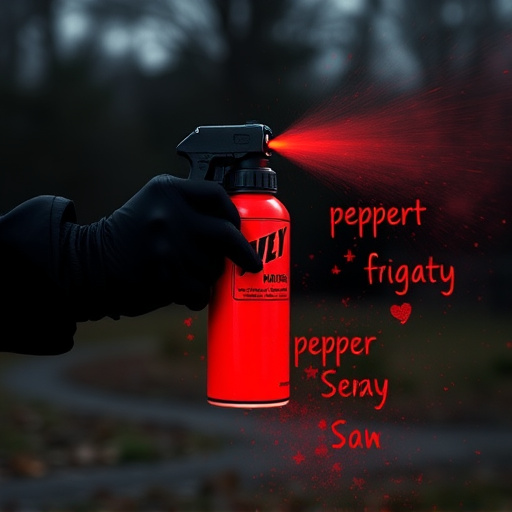
Pepper spray, a non-lethal law enforcement tool using capsaicin from chili peppers, requires strict safety protocols. Immediate care post-exposure is vital to alleviate discomfort and prevent long-term health issues. This includes moving to a safe area, removing contaminated clothing, rinsing eyes with water for 15 minutes, applying cold compresses, and seeking medical attention for persistent symptoms, especially in individuals with pre-existing health conditions. Training in dispersal strategies and post-exposure care is crucial for law enforcement to ensure responsible usage and minimize harm.
“Pepper spray, a powerful law enforcement tool, has evolved into a critical component of tactical strategies. This article explores the multifaceted dynamics of pepper spray weapons, delving into their mechanics, application in real-world scenarios, and stringent regulations. We dissect safety protocols for officers and victims alike, offering immediate care techniques for effective post-exposure management. Furthermore, it highlights dispersal strategies and countermeasures to mitigate risks associated with this potent agent, emphasizing the importance of comprehensive training in modern law enforcement practices.”
- Understanding Pepper Spray Dynamics
- Law Enforcement Use Cases and Regulations
- Safety Protocols for Handling Pepper Spray
- Immediate Care Techniques After Exposure
- Effective Dispersal Strategies and Countermeasures
Understanding Pepper Spray Dynamics
Pepper spray, a powerful law enforcement tool, works by targeting the human body’s sensory system. It contains capsaicinoids, compounds found in chili peppers, which irritates the eyes, nose, and respiratory tract when inhaled or touched. This immediate reaction disrupts an individual’s balance, vision, and breathing, providing officers with a crucial window of opportunity to control and subdue a suspect.
Understanding how pepper spray dynamics work is essential for both law enforcement personnel and those who require immediate care. The effects typically last for a few minutes, but proper decontamination techniques are necessary to alleviate discomfort and prevent potential long-term health issues. Immediate care involves removing contaminated clothing, flushing eyes and skin with water, and ensuring the affected individual receives medical attention if symptoms persist or worsen.
Law Enforcement Use Cases and Regulations
Law enforcement agencies utilize pepper spray as a non-lethal weapon in various high-risk situations, providing officers with a tool to control and subdue individuals safely. It is employed when dealing with aggressive or violent suspects, ensuring the immediate care for pepper spray usage becomes a critical aspect of their training. This tactic allows cops to temporarily disable a person, giving them time to gain control and manage the incident effectively.
Regulations surrounding its use are stringent, as they vary by jurisdiction, focusing on balancing public safety with responsible deployment. Officers are trained to employ it only when necessary, ensuring minimal harm to bystanders. Immediate care for pepper spray exposure involves providing affected individuals with water or eye irrigation to alleviate discomfort and potential long-term effects.
Safety Protocols for Handling Pepper Spray
When handling pepper spray, both law enforcement officers and civilians must adhere to strict safety protocols to ensure minimal risk and immediate care in case of exposure. The first step is to always wear appropriate personal protective equipment (PPE), including goggles or a face shield to protect against eye irritation or damage. In addition, a respirator or mask should be worn to prevent inhalation of the spray, which can cause respiratory distress.
Immediate care for pepper spray exposure involves quickly moving to a safe, well-ventilated area and removing any contaminated clothing. Rinsing eyes thoroughly with clean water for at least 15 minutes is crucial, ensuring that no residual spray remains. If breathing becomes difficult, seeking medical attention promptly is essential. Supportive care such as hydration and rest can help alleviate symptoms until the effects of the pepper spray subside.
Immediate Care Techniques After Exposure
After exposure to pepper spray, immediate care is crucial to mitigate the effects and ensure the affected individual’s safety and comfort. The first step is to move the person to a safe, open area away from the source of the spray to prevent further inhalation or contact with skin and eyes. Remove any contaminated clothing or eye gear promptly, being careful not to rub the eyes, as this can exacerbate irritation.
Rinse eyes thoroughly with clean water for at least 15 minutes, ensuring all irritants are washed away. Apply a cold compress to affected areas like the face, neck, and chest to help reduce swelling and pain. For inhalation, have the person breathe slowly and deeply through the nose while gently patting the back. Seek medical attention if symptoms persist or worsen, especially for individuals with pre-existing respiratory conditions or other health issues.
Effective Dispersal Strategies and Countermeasures
Pepper spray, while effective as a law enforcement tool, requires strategic deployment and immediate care for those affected to ensure safety and minimize harm. When used appropriately, it can quickly disperse individuals, allowing officers to maintain control of a situation. However, understanding countermeasures is crucial. Those targeted by pepper spray must receive prompt medical attention, focusing on immediate care to alleviate symptoms like respiratory distress, eye irritation, and pain.
Training in both dispersal strategies and post-exposure care is essential for law enforcement agencies. Officers should be equipped with the knowledge to manage crowds and de-escalate tensions, ensuring that pepper spray is a last resort. Equally important is educating the public about the effects of pepper spray and promoting responsible usage, which can help reduce instances of unnecessary deployment and foster better community relations.
Pepper spray, a powerful law enforcement tool, requires careful handling and specific safety protocols due to its potent dynamics. Understanding its effects and implementing effective dispersal strategies are key to ensuring safe use. By adhering to strict regulations and utilizing immediate care techniques, officers can manage exposure risks and maintain control in various scenarios. When used responsibly, pepper spray enables law enforcement to de-escalate situations effectively while prioritizing public safety and minimizing harm.