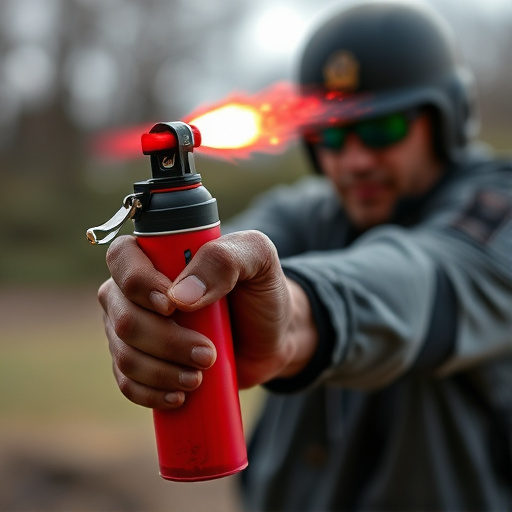
Riot control spray (pepper spray) is a powerful law enforcement tool that causes immediate irritation and temporary disability through capsaicin and other agents. Immediate care for exposure involves thorough water flushing, seeking fresh air, removing contaminated clothing, and staying hydrated. Effective handling requires training, recognizing symptoms, providing first aid, wearing PPE, and adhering to safety protocols to prevent misuse and protect individuals and communities.
Riot control inflammatory spray canisters, commonly known as pepper spray, are powerful tools used by law enforcement agencies worldwide. This article delves into the intricate details of these devices, exploring their composition, immediate care after exposure, and legal considerations. Understanding the effects of pepper spray is crucial for both public safety and personal well-being. Learn essential safety protocols to ensure proper handling and effective response during volatile situations, with a focus on providing Immediate Care for Pepper Spray exposure.
- Understanding Riot Control Spray Canisters: Their Composition and Effects
- Immediate Care After Exposure to Pepper Spray
- Legal Considerations and Safety Protocols for Handling Riot Control Sprays
Understanding Riot Control Spray Canisters: Their Composition and Effects
Riot control spray canisters, commonly known as pepper spray, are powerful tools used by law enforcement and security personnel to subdue and control crowds during disturbances or riots. These canisters contain a highly concentrated solution of capsaicin, a chemical derived from chili peppers. When activated, the spray creates an immediate irritant that affects the eyes, nose, and respiratory system, causing temporary disability and pain.
The composition of riot control spray includes not just capsaicin but also other agents like soap or detergent to enhance its sticking ability, ensuring prolonged contact with the target’s skin and eyes. Upon exposure, individuals may experience coughing, tears, difficulty breathing, and reduced visibility. Immediate care for pepper spray exposure involves flushing the affected areas with water for at least 15 minutes to dilute the chemical and alleviate symptoms. Medical attention should be sought if the effects persist or in cases of severe reaction.
Immediate Care After Exposure to Pepper Spray
After exposure to pepper spray, immediate care is crucial to mitigate symptoms and discomfort. If your eyes are affected, rinse them thoroughly with clean water for at least 15 minutes. This helps to dilute the chemical irritant and reduce eye pain or potential damage. Seek fresh air immediately; if possible, move to an area with open windows or turn on fans to aid in ventilation.
For skin exposure, remove any contaminated clothing and wash the affected areas gently with soap and water. Do not use harsh cleansers as they may exacerbate the irritation. In case of inhalation, get to a well-ventilated area, sit down, and try to calm yourself. If breathing becomes difficult, seek medical attention promptly. Staying hydrated is also essential; drink plenty of water to help flush out any remaining pepper spray particles from your system.
Legal Considerations and Safety Protocols for Handling Riot Control Sprays
Riot control spray canisters, while powerful tools for law enforcement and security personnel, come with a host of legal considerations and safety protocols that must be strictly adhered to. The use of such agents is regulated by local, state, and international laws, which vary significantly around the world. In many jurisdictions, these sprays are classified as less-lethal or non-lethal weapons, but their misuse can lead to severe consequences, including civil lawsuits and criminal charges.
Handling riot control sprays requires comprehensive training in immediate care for pepper spray. This includes recognizing symptoms of exposure, such as coughing, tearing, and difficulty breathing, and providing appropriate first aid. Personnel must also be equipped with personal protective equipment (PPE) to minimize their own risk of exposure. Safety protocols encompass proper storage, transportation, and disposal methods to ensure the safety of both individuals and the community at large.
Riot control inflammatory spray canisters, commonly known as pepper spray, are powerful tools used by law enforcement and security personnel. While they serve a critical role in certain situations, it’s essential to understand their composition, potential effects, and the associated legal implications. Following proper safety protocols and knowing immediate care techniques for pepper spray exposure are paramount to ensure the well-being of all involved. By adhering to these guidelines, we can navigate such scenarios with greater safety and efficacy, emphasizing the importance of both prevention and effective response in managing riots and maintaining public order.