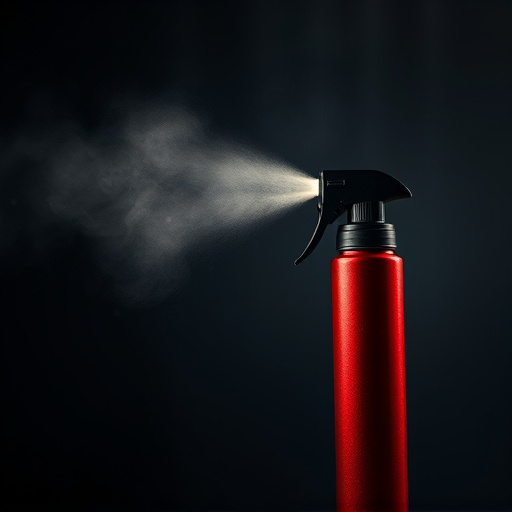
In case of pepper spray exposure, Immediate Care involves removing contaminated clothing, washing affected areas with water, and seeking fresh air. For breathing difficulties, use a rescue inhaler or move to cleaner air. Medical attention is recommended for persistent symptoms. Effective personal protection sprays contain capsaicin, soothing agents, rapid-drying properties, and easy application for neutralizing irritants quickly. Correct action includes maintaining distance, wearing gear, flooding affected area with water, gently blotting dry, and seeking fresh air or rinsing eyes with water for 15 minutes.
“Personal protection against inflammatory agents, notably pepper spray, is a vital skill in today’s diverse and sometimes unpredictable world. This article delves into the intricacies of understanding and mitigating the risks associated with pepper spray encounters. We explore essential components of effective personal protection, emphasizing immediate care techniques to maximize effectiveness. By understanding the impact and learning proper application methods, individuals can enhance their safety and resilience against these powerful inflammatory agents.”
- Understanding Pepper Spray's Impact and Risks
- Essential Components of Effective Personal Protection
- Immediate Application Techniques for Maximum Effectiveness
Understanding Pepper Spray's Impact and Risks
Pepper spray, an inflammatory agent personal protection spray, is designed to incapacitate and deter potential threats by causing temporary blindness, coughing, and difficulty breathing. However, understanding its impact and risks is crucial for immediate care after exposure. The effects can vary widely, from mild irritation to severe respiratory distress, especially in individuals with pre-existing health conditions.
Immediate care for pepper spray involves removing contaminated clothing, thoroughly washing the affected area with water, and seeking fresh air. If breathing becomes difficult, using a rescue inhaler or moving to an area with clean air can be life-saving. Medical attention should be sought if symptoms persist or worsen, as pepper spray exposure can have long-term health implications, particularly for vulnerable populations.
Essential Components of Effective Personal Protection
When it comes to personal protection, especially against inflammatory agents like pepper spray, knowing the essential components of an effective solution is crucial. An ideal personal protection spray should contain powerful yet safe ingredients that can provide immediate care and relief from painful and disorienting effects. Active ingredients like capsaicin, a natural compound found in chili peppers, are known for their quick action in neutralizing irritants.
Additionally, the best sprays include a combination of soothing agents to alleviate discomfort swiftly. These may include coolants and anti-inflammatory substances that help reduce redness, itching, and stinging sensations. In the event of exposure to pepper spray, having a product with rapid drying properties is vital to prevent prolonged contact and irritation. Immediate care solutions should also be easy to apply, ensuring users can protect themselves effectively in high-pressure situations.
Immediate Application Techniques for Maximum Effectiveness
When dealing with immediate care for pepper spray exposure, swift and precise application techniques are key to maximizing its effectiveness. The first step is to maintain a safe distance from the source of the spray while ensuring you’re wearing protective gear, including gloves and eye protection. Upon contact, quickly douse the affected area with copious amounts of water from a clean source, like a water bottle or nearby body of water. This step neutralizes the pepper spray’s active ingredients by diluting and washing them away.
After initial flooding with water, use a soft cloth or towel to gently blot the skin dry. Avoid rubbing, as it can further irritate the affected area. If possible, seek fresh air immediately to prevent inhalation of residual irritants. For eyes, rinse them thoroughly with clean water for at least 15 minutes to ensure complete irritation relief. These immediate care practices significantly alleviate discomfort and minimize long-term effects associated with pepper spray exposure.
When it comes to immediate care for pepper spray exposure, understanding the risks and knowing effective personal protection techniques are paramount. By equipping yourself with the right knowledge and tools, like those outlined in this article, you can significantly mitigate the impact of pepper spray. Remember, swift application of these strategies during an encounter can make all the difference in your safety and comfort.